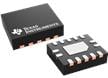



CD74AC164M
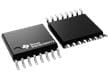
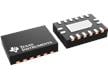
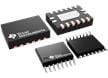
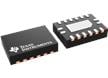
Images are for reference only
See Product Specifications
See Product Specifications
595-CD74AC164M
CD74AC164M
Mfr.:
Description:
Counter Shift Registers 8-Bit Ser-In/Prl-Out Shift Register
Counter Shift Registers 8-Bit Ser-In/Prl-Out Shift Register
Lifecycle:
End of Life:
Scheduled for obsolescence and will be discontinued by the manufacturer.
Datasheet:
In Stock: 128
-
Stock:
-
128 Can Ship ImmediatelyAn unexpected error occurred. Please try again later.
Quantities greater than 128 will be subject to minimum order requirements.
Pricing (CAD)
| Qty. | Unit Price |
Ext. Price
|
|---|---|---|
| $1.75 | $1.75 | |
| $1.27 | $12.70 | |
| $1.07 | $26.75 | |
| $1.01 | $1,010.00 | |
| $0.967 | $3,868.00 | |
| $0.895 | $7,160.00 |
Alternative Packaging
Mfr. Part #:
Packaging:
Reel, Cut Tape, MouseReel
Availability:
In Stock
Price:
$1.06
Min:
1
Similar Product

Texas Instruments
Counter Shift Registers 8-Bit Ser-In/Prl-Out Shift Register A 59 A 595-CD74AC164M
Datasheet
EOL
Images
Models
PCN
Product Catalogs
- CAHTS:
- 8542390000
- CNHTS:
- 8542319090
- USHTS:
- 8542390090
- KRHTS:
- 8542311000
- TARIC:
- 8542319000
- MXHTS:
- 8542310399
- ECCN:
- EAR99